
The History of Czech Glassmaking: From Bohemian Crystal to Modern Luxury Glassware
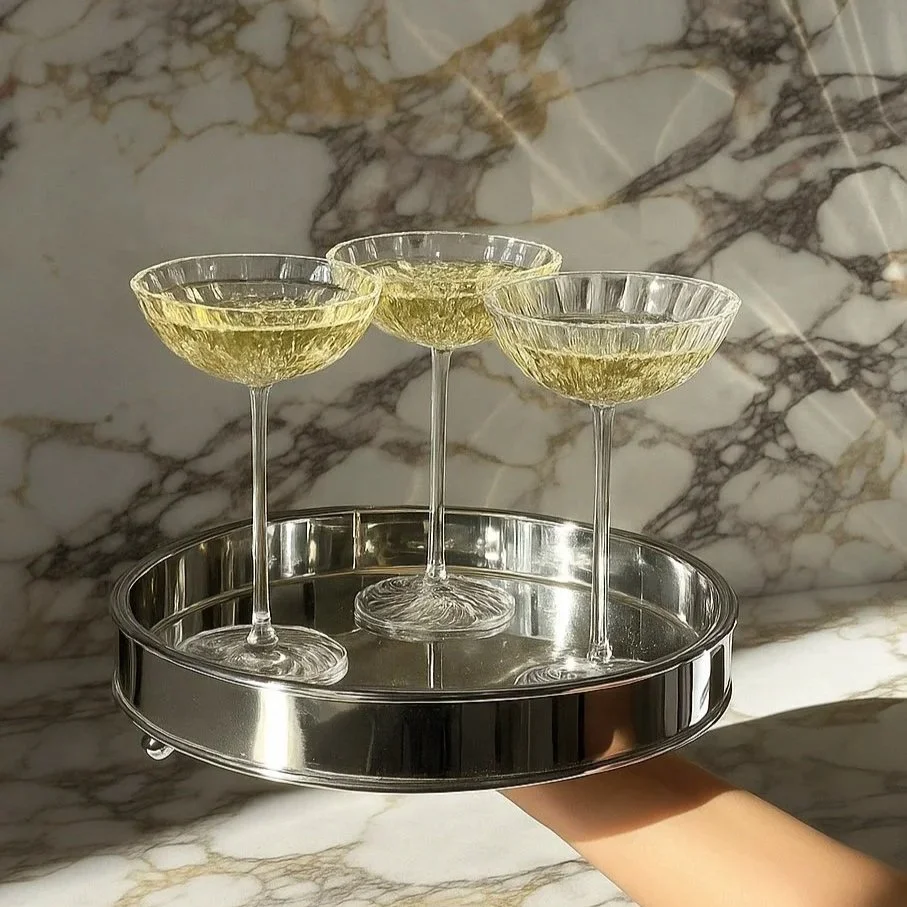
From medieval glass furnaces to contemporary Scandinavian-inspired drinkware.
From early forest workshops in medieval Bohemia to the refined drinkware used in modern homes and cocktail bars, Czech glassmaking represents a remarkable blend of artistry, innovation, and design. Today, the same principles that defined Bohemian crystal — precision, balance, and beauty — continue to influence contemporary premium drinkware and modern cocktail glasses.
The Origins of Bohemian Glass
The story of Czech glassmaking begins in the 13th century, when the first glassworks appeared in the forested regions of Bohemia, in what is now the Czech Republic. These remote areas provided essential resources for early production, including wood for furnace fuel and potash derived from wood ash.
Glassmakers combined these materials with silica sand and limestone, developing a glass formula that produced exceptional clarity and durability. Initially, most glass was created for practical purposes, including vessels for everyday use and stained-glass windows for churches.
Over time, however, craftsmen began experimenting with decorative techniques and more refined drinking vessels. These early innovations helped establish Bohemia as one of Europe’s most important glassmaking regions.
Innovation and the Rise of Bohemian Crystal
By the 16th century, Czech glassmakers had begun producing glass of such quality that it rivalled the famous Venetian glass from Murano. One of the key developments was a new form of potash glass that was both exceptionally clear and strong.
This material became known as Bohemian crystal and quickly gained popularity among European nobility. Its durability allowed artisans to engrave and cut intricate patterns into the surface, creating highly decorative pieces that reflected light beautifully.
Engraving techniques developed during this period transformed drinking vessels into works of art. Goblets, wine glasses, and ornate tableware became prized possessions among aristocratic households and royal courts across Europe.
The Golden Age of Czech Glass
The 17th and 18th centuries marked the golden age of Czech glassmaking. Bohemian crystal became one of Europe’s most sought-after luxury goods, exported widely across the continent.
During this period, glassmakers created elaborate chandeliers, finely cut goblets, and decorative drinkware that demonstrated extraordinary craftsmanship. Many of the glass shapes and forms developed during this era continue to influence glassware design today.
The balance, elegance, and proportions perfected by Bohemian artisans remain central to what we now consider luxury glassware. These design principles are still reflected in the refined silhouettes of contemporary cocktail glasses and premium tableware.
The Industrial Era and Global Recognition
The 19th century brought significant changes to the glass industry. As the Industrial Revolution expanded manufacturing capabilities, Czech glassmakers began producing glassware on a much larger scale.
Despite this growth, craftsmanship remained a defining feature of the region. Technical schools and glassmaking academies were established to preserve traditional skills while encouraging new forms of design and experimentation.
By the late 19th century, Bohemian glass had gained global recognition. Czech glassmakers exhibited their work at international exhibitions and world fairs, further cementing the reputation of the region as a centre of glass artistry.
The Influence on Modern Glassware Design
While centuries have passed since the earliest Bohemian glassworks, the influence of Czech craftsmanship remains visible in modern drinkware.
Today’s luxury glassware continues to prioritise clarity, balance, and refined proportions. These qualities enhance both the appearance and the experience of enjoying a drink, whether it’s champagne, a classic cocktail, or a carefully crafted spirit.
At the same time, contemporary designers have embraced cleaner aesthetics inspired by Scandinavian design. Scandinavian glassware often emphasises simplicity, functionality, and understated elegance — qualities that pair beautifully with the precision of traditional glassmaking techniques.
This combination of heritage craftsmanship and modern design has helped shape the evolution of modern cocktail glasses and premium drinkware used in homes, restaurants, and cocktail bars around the world.
A Tradition That Still Inspires Today
More than 700 years after the first glass furnaces were lit in the forests of Bohemia, Czech glassmaking remains one of Europe’s most respected craft traditions.
The dedication to precision and artistry that defined early Bohemian crystal continues to inspire modern glassware designers. From elegant stemware to contemporary cocktail glasses, many of today’s finest pieces still reflect the balance and clarity perfected by generations of glassmakers.
For those who appreciate thoughtfully designed drinkware, the legacy of Czech craftsmanship lives on in the world of luxury glassware and premium drinkware. Every well-made glass carries a small part of that history — combining tradition, craftsmanship, and modern design in a single object.

Made in small batches.
A sculptural carafe designed for both function and display. Handcrafted in Europe, Vivienne offers a refined way to serve water, wine, or spirits — elevating even the simplest moments.
✢Hand-blown in the Czech Republic
✢Made from durable borosilicate glass
✢Suitable for hot and cold drinks
✢Each piece is unique
Shipping calculated at checkout
Worldwide delivery available
Disclaimer:
Each piece is hand-blown and naturally unique, with subtle variations that reflect its artisanal process.